

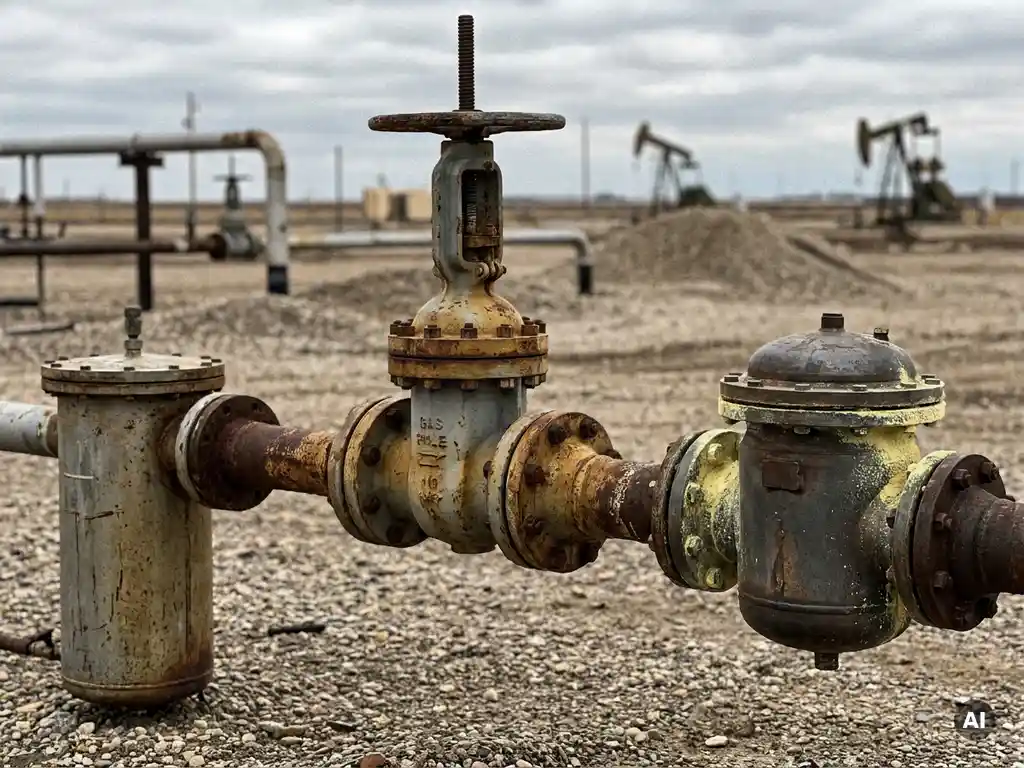
Choosing between an H₂S scavenger and a regenerative H₂S removal system is one of the more consequential decisions in gas treatment engineering. Get it right and you reduce costs, simplify operations, and meet your sulfur specifications reliably. Get it wrong and you face runaway chemical spend, operational headaches, or a system that simply cannot handle your gas stream. If you are working through this decision and want expert input early in the process, feel free to get in touch with the team at Paqell. This guide walks you through a structured, six-step comparison framework so you can arrive at a defensible, data-backed selection.
Gather the Key Parameters for a Fair Comparison
Before you can compare anything meaningfully, you need a complete picture of your gas stream and your operational context. Skipping this step is the single most common reason engineers end up with a mismatched system. Collect the following data from your process documentation, laboratory analyses, and site surveys:
- H₂S concentration in the feed gas (ppm or mol%), including variability over time
- Gas flow rate (actual and maximum design capacity)
- Presence of CO₂, mercaptans, or other acid gas components that affect treatment chemistry
- Outlet specification required by the downstream process or regulatory limits
- Gas pressure and temperature at the point of treatment
- Site remoteness, infrastructure availability, and access to chemical supply chains
- Operational continuity requirements: whether the system can tolerate planned shutdowns
Once this data is assembled, you have the foundation for every subsequent step. A comparison made without complete feed gas characterization is speculation, not engineering. Verify that your H₂S concentration figures represent realistic operating conditions, not just design-point assumptions, because scavenger consumption rates are directly tied to actual H₂S loading.
Map Your Gas Stream Characteristics to Treatment Fit
With your parameters in hand, the next step is to understand which technology category is structurally suited to your situation. H₂S scavengers and regenerative systems serve different niches, and the fit is largely determined by concentration and flow rate.
- If your H₂S concentration is below roughly 100 ppm and your flow rates are low, scavengers are often the simplest and most economic choice. They require no regeneration infrastructure and suit intermittent or temporary applications well.
- If your H₂S concentration is above a few hundred ppm or your gas volumes are significant, chemical consumption in a scavenger approach escalates rapidly. Regenerative technologies, including biological processes like THIOPAQ O&G, become progressively more attractive as concentration and flow increase.
- If your gas stream contains high CO₂ alongside H₂S, evaluate selectivity carefully. Some scavengers react with CO₂, increasing consumption and cost beyond what H₂S concentration alone would suggest.
- If sulfur recovery is a requirement or a revenue opportunity, only regenerative systems can return elemental sulfur as a usable product. Scavengers convert H₂S into spent chemical waste that must be disposed of.
After completing this mapping, you should be able to classify your application as either a clear scavenger fit, a clear regenerative fit, or a borderline case that requires the cost analysis in the next step to resolve. Review the range of gas treatment applications to see where your stream type typically lands.
Calculate Total Cost of Ownership for Each Approach
Capital cost comparisons between scavengers and regenerative systems are misleading in isolation. The real differentiator is total cost of ownership (TCO) over the expected operating life of the asset. Build a TCO model that covers at minimum a five-year horizon.
Scavenger cost components
For the scavenger option, your cost model should include chemical procurement (volume multiplied by H₂S loading and scavenger efficiency), logistics and storage, spent chemical disposal or transport, and any downtime costs associated with chemical changeover. In high-H₂S applications, chemical spend alone can exceed the capital cost of a regenerative system within two to three years of operation.
Regenerative system cost components
For the regenerative option, include capital expenditure, installation and commissioning, utilities (power, water), routine maintenance, operator labor, and any licensing or technology fees. Biological systems such as THIOPAQ O&G have particularly low reagent costs because the active catalyst, naturally occurring bacteria, is self-sustaining and does not need to be repurchased.
Once both models are built, calculate the break-even point: the operating duration at which the regenerative system’s higher upfront cost is recovered through lower operating expenditure. If break-even occurs within your asset’s planned life, the regenerative option almost always wins on TCO. If break-even extends beyond the asset life, the scavenger may remain competitive.
Evaluate Operational Complexity and Site Constraints
TCO tells you the financial story, but operability determines whether the chosen system actually works in practice. Assess both options against your site’s realistic operational capabilities.
- Staffing and skill level: Scavenger systems are simple to operate and require minimal technical expertise. Regenerative systems, particularly biological ones, need operators who understand process monitoring and can respond to upsets, though modern biological systems are largely self-regulating.
- Chemical logistics: Remote or offshore sites may find continuous chemical supply for scavengers difficult and expensive. Regenerative systems, once commissioned, have minimal ongoing consumable requirements.
- Footprint and weight: Scavenger vessels are compact and modular. Regenerative systems require more space and infrastructure. Evaluate whether your site can accommodate the physical installation.
- Turndown and variability: If your gas flow or H₂S concentration fluctuates significantly, confirm that your preferred technology can handle the range without performance degradation or excessive waste.
Document any site constraints that would make one option impractical regardless of cost. A regenerative system that cannot be installed within your footprint limits is not a viable option no matter how favorable its TCO looks on paper.
Score Each Option Against Your Decision Criteria
With quantitative and qualitative data now gathered, formalize your comparison using a weighted scoring matrix. This converts a complex, multi-variable decision into a transparent and auditable output.
- List your decision criteria: cost, operability, sulfur recovery, environmental performance, risk, and any site-specific factors.
- Assign a weight to each criterion that reflects its importance to your project. Regulatory requirements and safety factors should carry the highest weights.
- Score each technology option against each criterion on a consistent scale (for example, one to five).
- Multiply each score by its criterion weight and sum the results for each option.
- Review the totals and examine any criterion where the scores are close; these represent areas of genuine uncertainty that may warrant further investigation or sensitivity analysis.
The scoring matrix is not a decision-making machine; it is a structured way to surface the trade-offs and ensure that all relevant factors have been considered. If the matrix output contradicts your engineering intuition, investigate why rather than overriding it without analysis. You can also use Paqell’s technology scan tool to benchmark your situation against established application criteria before finalizing your scores.
Identify the Warning Signs of a Mismatched Selection
Even after a thorough process, it is worth stress-testing your conclusion by checking for common indicators that a selection is heading in the wrong direction. These warning signs appear frequently in post-project reviews and are worth catching before commitment.
- Scavenger chemical costs are projected to exceed the capital cost of a regenerative system within the asset life; this is a strong signal to revisit the regenerative option, even if initial capital is constrained.
- Your H₂S concentration is highly variable and peaks well above the design point; scavengers sized for average conditions will underperform during peaks, potentially causing specification exceedances.
- Sulfur disposal is regulated or restricted at your site; spent scavenger waste containing sulfur compounds may face disposal restrictions that add hidden cost and complexity.
- The regenerative system selected has a minimum throughput requirement your flow rate does not consistently meet; some technologies require a minimum gas loading to operate stably.
- Operator availability is assumed but not confirmed; a regenerative system requiring daily monitoring on a minimally staffed site is a reliability risk.
Working through this comparison framework gives you a defensible, structured basis for your H₂S removal selection, one that accounts for technical fit, economics, and operational reality in equal measure. If your analysis surfaces a borderline case or you want an independent review of your conclusions, get in touch with Paqell to discuss your specific gas stream and site requirements.
Related Articles
- What microorganisms are used in biological gas desulfurization?
- What is sour gas treatment and what technologies are available?
- How does desulfurization support the production of renewable natural gas?
- What safety measures are needed when operating a desulfurization unit?
- How is hydrogen sulfide poisoning treated in a hospital setting?
This content was generated with the help of AI and it may contain mistakes
