

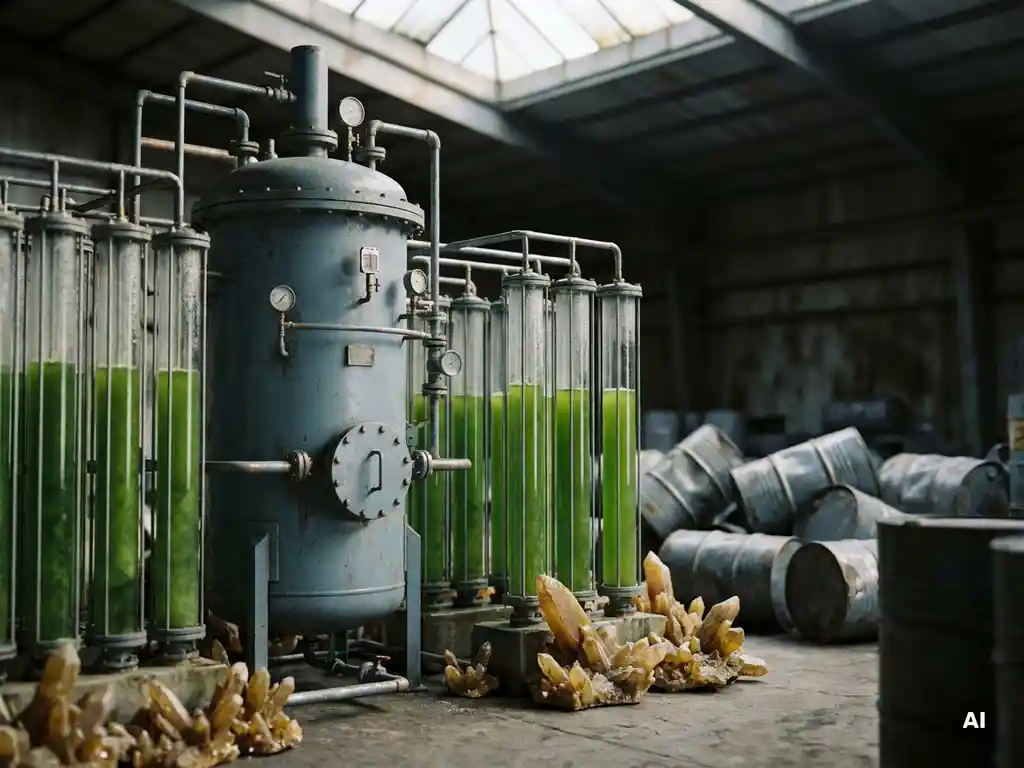
Chemical dependency in sour gas treatment is one of the most persistent cost and compliance challenges facing oil and gas operators today. Amine solvents, caustic chemicals, and Claus catalyst regeneration materials add up quickly, and their procurement, handling, and disposal create operational complexity that scales with your throughput. If you are looking to reduce that burden without compromising on hydrogen sulfide removal efficiency, this guide walks you through a practical, step-by-step process to get there. If you have questions at any point, feel free to get in touch with the Paqell team.
The steps below apply to operators running small to mid-scale sour gas treatment units, though the principles scale to larger installations. Work through each stage in sequence, since each step builds on the findings of the previous one.
Assess Your Current Chemical Consumption Baseline
Before you can reduce chemical use, you need to know exactly what you are consuming and at what rate. This baseline assessment is the foundation of every decision that follows. Without it, you are optimizing blind.
- Pull your chemical procurement records for the past 12 to 24 months, covering all inputs: amine solvents, antifoam agents, corrosion inhibitors, caustic soda, and any Claus unit catalyst materials.
- Normalize consumption data against your gas throughput volumes to get a per-unit chemical load figure. This removes seasonal or production-volume distortions from the comparison.
- Document chemical disposal volumes and associated costs separately. These are often underreported but represent a significant share of total chemical dependency cost.
- Record any operational incidents tied to chemical handling, such as spills, exposure events, or supply disruptions, since these represent hidden risk costs.
At the end of this step, you should have a clear, quantified picture of your annual chemical spend, consumption rate per unit of gas treated, and disposal burden. This document becomes your benchmark for measuring every improvement that follows.
Identify Which Treatment Stages Drive the Highest Chemical Load
Not all stages of a sour gas treatment process consume chemicals equally. In most configurations, the amine absorption and regeneration loop and the sulfur recovery unit account for the majority of chemical inputs. Pinpointing where the load concentrates allows you to target your reduction efforts precisely.
- Map your treatment process end to end: inlet separation, amine scrubbing, amine regeneration, acid gas routing, sulfur recovery, and tail gas handling.
- Assign your baseline chemical consumption figures to each stage. Where records are incomplete, use engineering estimates based on known process parameters.
- Flag stages where chemical consumption is high but removal efficiency is lower than design spec, since these are prime candidates for process substitution or optimization.
- Identify any stages where chemical inputs are driven by workarounds, such as excess antifoam use masking a foaming problem, rather than by fundamental process requirements.
You should now have a ranked list of treatment stages by chemical load. In most sour gas treatment configurations, two or three stages will account for the majority of consumption. Focus your next steps on those areas first.
Evaluate Biological Desulfurization as a Drop-In Alternative
With your high-load stages identified, the next step is to evaluate whether biological desulfurization can replace or supplement your current chemistry. Biological gas desulfurization, such as the THIOPAQ O&G process, uses naturally occurring bacteria to convert H₂S directly into solid elemental sulfur within a single integrated unit. Unlike amine-based systems, it requires no chemical solvents for absorption or regeneration, and the sulfur product is non-hazardous and suitable for agricultural use.
Assess fit by reviewing your gas stream characteristics against the technology’s operating envelope. Biological desulfurization is particularly well suited to diverse gas applications including natural gas, refinery gas, fuel gas, and acid gas streams. The process is self-regulating because the bacteria adjust their activity to match H₂S load, which reduces the need for operator intervention and eliminates the chemical dosing cycles associated with conventional systems.
- Compare your H₂S concentration range and gas flow rate against the operating parameters for biological desulfurization to confirm technical compatibility.
- Estimate the chemical inputs that would be eliminated: amine solvent makeup, regeneration chemicals, and Claus unit catalyst replacements.
- Request a feasibility assessment or technology scan to get a site-specific evaluation of fit and projected chemical reduction. Paqell offers a structured technology scan for this purpose.
After this evaluation, you should have a clear go or no-go signal on biological desulfurization for your specific application, along with a projected chemical reduction figure to carry into your transition plan.
Design the Transition Plan for Reduced Chemical Dependency
A successful transition away from chemical-intensive treatment requires careful planning, particularly if your facility operates continuously. The goal is to reduce chemical inputs progressively while maintaining gas quality specifications throughout.
Define the transition scope and sequencing
Start with the treatment stage that carries the highest chemical load and the clearest alternative pathway. In most cases, this is the amine scrubbing and sulfur recovery combination. Plan whether you will run a parallel system during commissioning or take a phased cutover approach based on your operational flexibility.
Establish interim chemical reduction targets
Set measurable milestones rather than attempting a single large-step reduction. For example, target a 30% reduction in amine solvent makeup within the first quarter of transition, then reassess. This staged approach gives you early validation data and limits exposure if adjustments are needed.
- Define your H₂S removal specification and confirm it as the non-negotiable performance floor throughout the transition.
- Identify any regulatory reporting requirements tied to your current chemical use or emissions and confirm they remain satisfied under the new configuration.
- Schedule transition activities during planned maintenance windows where possible to minimize production impact.
Your transition plan should be a living document, updated as you move through commissioning and early operation. Build in decision checkpoints at each milestone rather than committing to a fixed endpoint before you have real performance data.
Verify Performance After Reducing Chemical Inputs
Once you have reduced or replaced chemical inputs in your sour gas treatment process, systematic performance verification is essential. Do not rely on spot checks. Set up a structured monitoring routine that covers both gas quality and operational stability.
- Monitor outlet H₂S concentration continuously against your specification limit for at least 30 days following any significant change in chemical inputs.
- Track sulfur recovery efficiency and compare it against your pre-transition baseline. Biological systems should maintain or improve recovery rates relative to conventional alternatives.
- Review operator logs for any increase in manual interventions, alarms, or process upsets that might indicate instability in the new configuration.
- Recalculate your chemical consumption per unit of gas treated and compare it directly against the baseline figure established in step one.
A well-implemented reduction in chemical dependency should show stable or improved H₂S removal performance alongside a measurable drop in chemical procurement and disposal costs. If outlet concentrations are drifting or recovery efficiency has declined, investigate process conditions before drawing conclusions about the technology itself. In biological systems, common causes include nutrient supply imbalances or temperature deviations, both of which are correctable without reverting to chemical-intensive operation.
Optimize Long-Term Operations with Minimal Chemical Use
Reaching a lower chemical baseline is not the final destination. Long-term optimization means sustaining that reduction while continuously improving process efficiency and operator confidence. Biological desulfurization systems have a natural advantage here because the bacteria are self-regulating, but the surrounding process still benefits from structured optimization cycles.
- Review chemical consumption data quarterly and compare against your normalized baseline. Upward trends in any chemical input are early indicators of process drift that can be corrected before they escalate.
- Audit your inlet gas composition periodically, particularly if your feed source changes. Shifts in H₂S concentration, CO₂ content, or trace contaminants can affect treatment efficiency and may require minor process adjustments.
- Train operators on the process logic of the new configuration, especially if they are transitioning from a chemistry-based mental model. Understanding why the system behaves as it does reduces the tendency to reach for chemical interventions when the process is actually self-correcting.
- Document any process changes and their outcomes in a structured operational log. This institutional knowledge is what allows you to optimize confidently over a multi-year horizon.
Reducing chemical dependency in sour gas treatment is a process of incremental, evidence-based decisions rather than a single technology swap. Operators who follow this structured approach consistently achieve lower operating costs, simpler compliance management, and more resilient treatment systems. If you are ready to take the next step for your facility, get in touch with Paqell to discuss your specific gas stream and treatment goals.
Related Articles
- How to Compare H₂S Scavengers with Regenerative H₂S Removal
- How quickly do hydrogen sulfide symptoms progress at 50 ppm?
- What is biogas cleaning and what contaminants need to be removed?
- How do you select a sour gas treatment process for high H2S content?
- How is hydrogen sulfide removed from biogas before upgrading?
This content was generated with the help of AI and it may contain mistakes
