

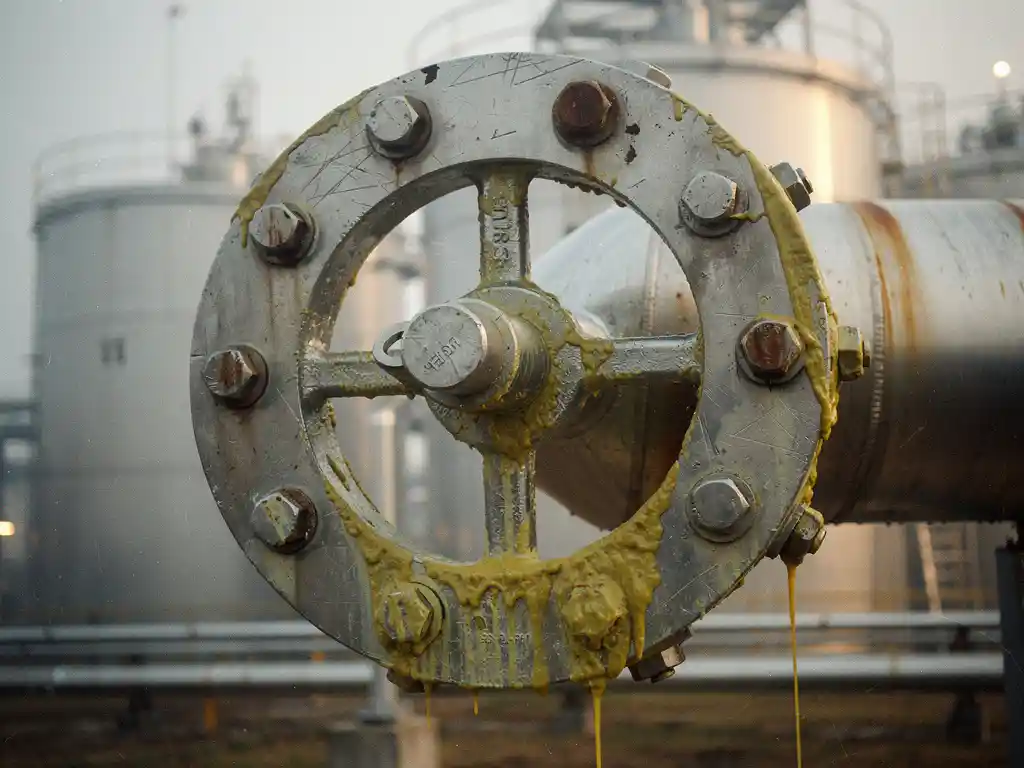
Natural gas desulfurization is the process of removing hydrogen sulfide (H₂S) and other sulfur compounds from natural gas to make it safe for transport, combustion, and commercial use. It is required whenever sulfur concentrations exceed pipeline specifications, environmental emission limits, or safe handling thresholds. The sections below unpack the most common questions about how desulfurization works, which methods apply in which situations, and how biological approaches compare to conventional alternatives. If you have a specific situation in mind, feel free to get in touch and we are happy to help.
Why does natural gas contain hydrogen sulfide?
Natural gas contains hydrogen sulfide because it forms naturally during the geological processes that create hydrocarbon reservoirs. When organic matter decomposes under high pressure and temperature in the presence of sulfur-bearing minerals, sulfate-reducing bacteria and thermochemical reactions produce H₂S as a byproduct. Gas that contains significant H₂S concentrations is commonly called sour gas.
The amount of H₂S in a gas stream varies widely depending on the reservoir’s geological origin, depth, and microbial history. Some fields produce gas with only trace levels of hydrogen sulfide, while others yield highly concentrated sour gas streams that require extensive treatment before the gas can be used safely. Refinery and processing environments also generate H₂S-laden streams as a byproduct of treating crude oil fractions, which is why gas desulfurization is relevant not just at the wellhead but throughout the downstream value chain.
Hydrogen sulfide is both toxic and corrosive. Even at low concentrations, symptoms of hydrogen sulfide exposure include eye irritation and headaches. At higher concentrations, inhalation of hydrogen sulfide can cause rapid incapacitation or death, which is why hydrogen sulfide hazards are taken seriously at every stage of gas handling. Its characteristic rotten-egg hydrogen sulfide smell provides a warning at low levels, but the gas quickly deadens the sense of smell at higher concentrations, making detection instruments essential.
What are the main methods of natural gas desulfurization?
The main methods of natural gas desulfurization are amine gas treating (gas sweetening), physical solvent absorption, membrane separation, chemical oxidation, and biological desulfurization. Each method suits different gas volumes, H₂S concentrations, and operational contexts. The choice depends on gas composition, flow rate, required outlet purity, and the value of the recovered sulfur.
Chemical and solvent-based methods
Amine gas treating is the most widely deployed method for large-scale sour gas treatment. It uses liquid amine solutions to absorb H₂S and CO₂ from the gas stream. The absorbed gases are then stripped from the amine in a regeneration unit, producing a concentrated acid gas stream that is typically fed to a Claus sulfur recovery unit. This approach handles high gas volumes effectively but involves significant capital investment, energy consumption, and operational complexity.
Biological desulfurization
Biological desulfurization uses naturally occurring bacteria to convert H₂S directly into elemental sulfur within a single process unit. This approach is particularly well suited to small and mid-sized gas streams and unfavorable gas compositions where conventional amine systems become disproportionately expensive or technically challenging. Technologies like THIOPAQ O&G integrate gas cleaning and sulfur recovery in one unit, reducing both footprint and operating costs.
When is natural gas desulfurization legally or operationally required?
Natural gas desulfurization is legally required when H₂S concentrations exceed the limits set by pipeline operators, national gas quality standards, or environmental emission regulations. Operationally, it is required whenever sulfur compounds would corrode equipment, contaminate catalysts, or create safety hazards for workers and communities downstream.
Pipeline specifications in most markets set maximum H₂S content in the range of a few parts per million by volume. Gas that does not meet these specifications cannot enter the transmission grid. Environmental regulations in many jurisdictions also cap sulfur dioxide (SO₂) emissions from combustion, which means that burning sour gas without prior desulfurization is frequently prohibited.
Beyond legal thresholds, operational necessity often drives desulfurization decisions. H₂S accelerates corrosion in pipelines, compressors, and processing equipment. It poisons catalysts used in downstream refining and petrochemical processes. In enclosed or confined workspaces, even short-term exposure above the H₂S threshold value established by occupational health authorities creates a serious risk of hydrogen sulfide poisoning. These operational realities make desulfurization a practical requirement even in cases where regulation alone might not mandate it.
What’s the difference between gas sweetening and sulfur recovery?
Gas sweetening refers to the removal of H₂S and other acid gases from a gas stream to meet quality or safety specifications. Sulfur recovery refers to converting the extracted sulfur compounds into a usable product, typically elemental sulfur. The two processes are distinct but closely linked: sweetening produces a concentrated acid gas stream, and sulfur recovery processes that stream to prevent it from being released as SO₂ emissions.
In a conventional setup, an amine unit performs gas sweetening by absorbing H₂S from the feed gas. The regenerated acid gas is then routed to a Claus plant or similar sulfur recovery unit. These are separate pieces of equipment with separate operating costs and separate points of failure.
Biological desulfurization collapses this distinction by combining both functions in a single unit. H₂S is removed from the gas and simultaneously converted to solid elemental sulfur by bacteria within the same bioreactor system. The recovered sulfur is non-hazardous and suitable for agricultural use as a soil amendment. This integrated approach is one of the key operational advantages of biological sour gas treatment for smaller installations.
How does biological desulfurization work?
Biological desulfurization works by using naturally occurring, sulfur-oxidizing bacteria to convert hydrogen sulfide into solid elemental sulfur. The gas is brought into contact with a mildly alkaline water solution in a scrubber, where H₂S is absorbed. The sulfide-rich liquid is then fed to a bioreactor where bacteria oxidize the dissolved sulfide into elemental sulfur particles, which are separated and recovered as a solid product.
The bacteria involved are naturally present in the environment and do not require genetic modification or hazardous chemicals to function. They are self-regulating, meaning the process adjusts automatically to fluctuations in H₂S load without operator intervention. This makes biological desulfurization inherently stable and straightforward to operate compared to chemical alternatives that require precise dosing and frequent adjustment.
The process operates at ambient temperature and pressure, which significantly reduces energy consumption. Air is the only oxidant required, eliminating the need for chemical reagents. The elemental sulfur produced is in a manageable solid form and can be applied directly as a fertilizer in agriculture, giving the recovered byproduct a practical end use rather than creating a disposal problem.
Which desulfurization method is best for small and mid-sized gas streams?
Biological desulfurization is generally the best method for small and mid-sized gas streams, particularly when the gas has an unfavorable composition such as high CO₂ content, variable H₂S concentration, or low calorific value. These conditions make conventional amine systems either technically difficult to operate or economically unviable at smaller scales.
Amine-based gas sweetening and Claus sulfur recovery were designed with large-scale operations in mind. Their capital costs, footprint, and operational complexity do not scale down efficiently. For a small sour gas stream at a remote production site or a refinery off-gas application, the overhead of running a full amine plus Claus system can outweigh the value of the gas being treated.
Biological systems like THIOPAQ O&G address this gap directly. Because gas sweetening and sulfur recovery are integrated into one unit, the capital investment is lower and the operational demands are simpler. The self-regulating nature of the bacteria reduces the need for specialist operators. The technology handles variable feed conditions without losing performance, which is a practical advantage in production environments where gas composition shifts over time. For operators evaluating options, a technology scan can help identify whether a biological approach fits the specific gas stream and site conditions.
Choosing the right desulfurization approach depends on gas volume, H₂S concentration, site infrastructure, and long-term operating cost targets. If you are evaluating options for a specific gas stream, get in touch to discuss which solution fits your application.
Frequently Asked Questions
How do I know if my gas stream is a good candidate for biological desulfurization versus amine treating?
Biological desulfurization tends to be the better fit when your gas stream is small to mid-sized, has high CO₂ content, variable H₂S loads, or is located at a remote site with limited operator availability. Amine treating becomes more competitive at very high gas volumes or when extremely low outlet H₂S specifications must be met consistently. A technology scan that maps your specific gas composition, flow rate, and site conditions against available options is the most reliable way to make this determination.
What H₂S concentration levels can biological desulfurization handle?
Biological desulfurization systems like THIOPAQ Ou0026G are designed to handle a wide range of H₂S concentrations, from relatively low levels up to highly concentrated sour gas streams. The self-regulating nature of the sulfur-oxidizing bacteria means the system adapts automatically to fluctuations in inlet H₂S load without requiring manual retuning. For very high H₂S concentrations at large scale, a combined or hybrid approach may be evaluated, which is why assessing your specific gas composition upfront is important.
What happens to the elemental sulfur recovered during biological desulfurization — is disposal a concern?
Unlike some chemical treatment byproducts, the elemental sulfur produced by biological desulfurization is a non-hazardous solid that can be applied directly as a soil amendment or fertilizer in agriculture. This gives the recovered material a practical, commercially recognized end use rather than creating a waste disposal burden. In most cases, operators can arrange offtake with agricultural distributors, turning a potential cost center into a minor revenue stream or at least a cost-neutral byproduct.
Can biological desulfurization handle gas streams with fluctuating or unpredictable H₂S concentrations?
Yes — handling variable feed conditions is one of the practical strengths of biological desulfurization. The bacteria are self-regulating, meaning they naturally adjust their activity level in response to changes in sulfide load, which maintains stable performance without requiring constant operator intervention or chemical dosing adjustments. This is a significant operational advantage in production environments where reservoir conditions, well mix, or upstream processing changes cause the H₂S content of the gas to shift over time.
What are the most common mistakes operators make when selecting a gas desulfurization technology?
One of the most common mistakes is defaulting to large-scale conventional technology — amine plus Claus — simply because it is familiar, without accounting for how poorly that combination scales down to smaller or more variable gas streams. Another frequent error is evaluating technologies on capital cost alone while underestimating ongoing operating costs, energy consumption, chemical reagent requirements, and the need for specialist operators. A full lifecycle cost comparison that includes the value or disposal cost of recovered sulfur gives a much more accurate picture of the right fit.
Are there safety considerations specific to operating a biological desulfurization unit that operators should be aware of?
The fundamental H₂S hazard present in any sour gas operation still applies during biological desulfurization — gas detection instruments, proper ventilation, and H₂S safety protocols remain essential. However, because the biological process operates at ambient temperature and pressure and does not require hazardous chemical reagents, several risk factors associated with conventional amine systems — such as high-pressure regeneration, hot amine handling, and chemical storage — are eliminated. The recovered elemental sulfur is non-hazardous, which also simplifies on-site handling and storage compared to liquid sulfur from a Claus unit.
How long does it take to commission a biological desulfurization system, and is there a significant startup period for the bacteria?
Biological desulfurization systems do require an initial period for the bacterial population to establish and reach full activity, but this startup phase is typically managed during commissioning and does not represent a prolonged operational delay. Suppliers generally provide inoculated biomass or startup support to accelerate this process. Overall commissioning timelines are comparable to other process units of similar scale, and the reduced mechanical complexity of a biological system — no separate regeneration column, no Claus train — often means a smaller overall installation scope.
Related Articles
- How do you select a hydrogen sulfide removal technology for your plant?
- What is desulfurization and why does it matter in industrial gas processing?
- What are the symptoms of hydrogen sulfide poisoning at low concentrations?
- What are the uses of recovered sulfur from desulfurization processes?
- What is the market outlook for gas desulfurization technology in 2026?
