

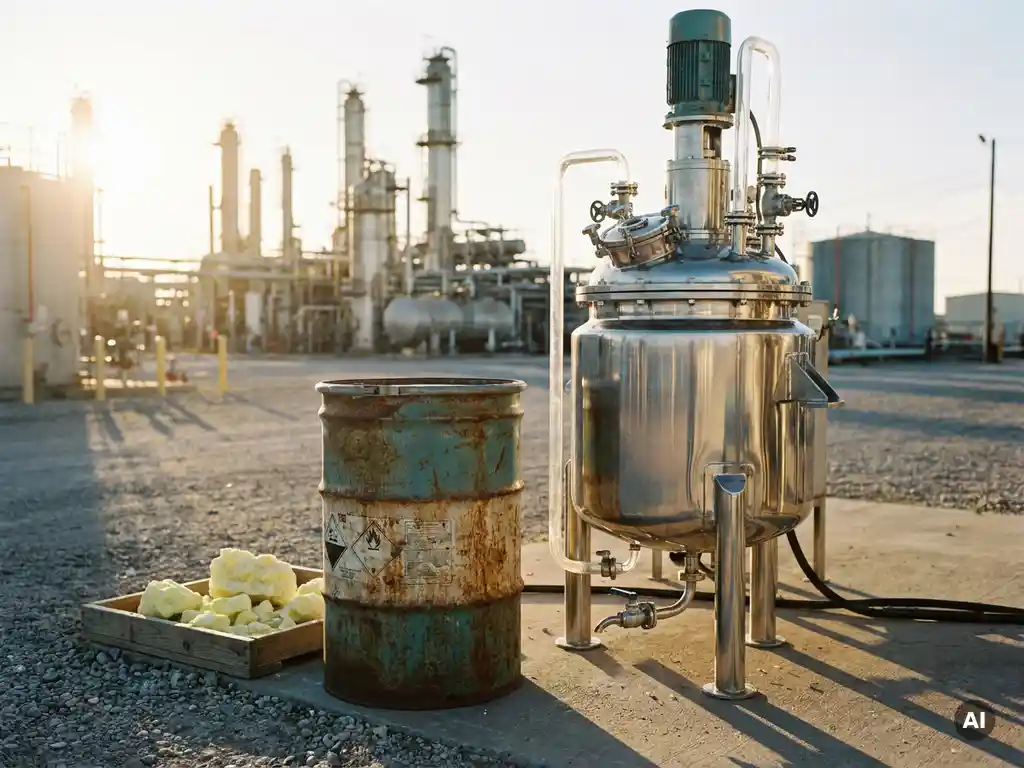
Many operators in the oil and gas industry rely on consumable-based H₂S removal methods such as scavenger chemicals or iron sponge systems. These approaches get the job done in the short term, but they generate ongoing chemical costs, waste disposal obligations, and operational complexity that compounds over time. Switching to a regenerative process, where sulfur is recovered and reused rather than discarded, can significantly reduce both cost and environmental footprint. If you are considering making that change and are not sure where to start, feel free to get in touch for guidance specific to your situation. This guide walks you through the transition step by step.
Assess Your Current H₂S Treatment Setup
Before you can plan a transition, you need a clear picture of what you are currently operating. This means going beyond the nameplate data and looking at how your system actually performs day to day. Gather operational records covering at minimum the past twelve months, including H₂S concentrations in the inlet gas, treatment efficiency, chemical consumption rates, waste volumes, and any periods of off-spec output.
- Document your average and peak H₂S concentrations in parts per million or percentage by volume.
- Record total gas throughput and any variability in flow rate across seasons or production cycles.
- Calculate your annual consumable spend, including purchase, logistics, and disposal costs.
- Identify any compliance obligations tied to your current H₂S removal performance.
After completing this audit, you should have a clear cost baseline and a realistic performance profile. This data becomes the benchmark against which you will evaluate a regenerative alternative, and it will also be required by any technology provider to size a replacement system correctly.
Identify Whether Your Gas Stream Suits a Regenerative Process
Regenerative H₂S removal technologies are not universally applicable. The suitability of your gas stream depends on several compositional and volumetric factors. Biological gas desulfurization, for example, is particularly well suited to small and mid-sized sour gas streams, including associated gas, refinery fuel gas, and acid gas from amine units. It performs reliably even with unfavorable gas compositions that challenge conventional sulfur recovery units.
- H₂S concentration: typically effective across a wide range, from a few hundred ppm to several percent
- Gas volume: most practical for streams that are too small or variable for a Claus unit to operate efficiently
- CO₂ content: high CO₂ levels that would complicate thermal processes are generally tolerable in biological systems
- Temperature and pressure: confirm that your stream conditions fall within the operating envelope of the target technology
Review the range of applicable gas streams to see whether your specific source, whether wellhead gas, flare gas, or amine tail gas, is a recognized fit. If your stream falls within the suitable range, you can proceed with confidence to the next step.
Define the Integration Points with Existing Infrastructure
A regenerative system does not replace your entire facility. It replaces one unit operation, and it must connect cleanly to everything around it. Map out the physical and process interfaces that a new system would need to address before any engineering work begins.
- Identify the inlet tie-in point where the sour gas currently enters your consumable treatment unit.
- Confirm the available footprint and any civil or structural constraints at the proposed installation site.
- Assess utility availability, including water supply, power, and instrument air, at or near the installation point.
- Determine how the recovered elemental sulfur will be handled, stored, and transported off-site for use in agricultural applications or other outlets.
- Check whether downstream equipment, such as compressors or dehydration units, will need to be adjusted for the treated gas specification from the new system.
With these integration points mapped, you are in a position to hand a detailed scope to an engineering team. Gaps identified here are far cheaper to resolve on paper than during installation, so invest time in this step even if it feels preliminary.
Plan the Transition to Minimize Operational Disruption
Transitioning between treatment technologies while maintaining production requires careful sequencing. The goal is to avoid any gap in H₂S removal coverage, which could trigger a compliance breach or force a production curtailment.
- Agree on a transition window with your operations and maintenance teams, ideally aligned with a planned shutdown or low-production period.
- Keep your existing consumable system operational until the regenerative unit has been commissioned and proven stable.
- Establish a parallel operation phase, even if brief, so that both systems can run simultaneously and the new unit can be verified under live conditions before the old one is taken offline.
- Train operators on the new process logic, particularly if moving from a passive chemical system to a biological one that requires monitoring of bacterial activity and nutrient dosing.
Communicate the transition timeline clearly across all affected teams, including logistics, maintenance, and HSE. A technology fit assessment early in the planning phase can help you identify risks and refine the sequencing before you commit to a schedule.
Validate Performance After Switching to a Regenerative System
Once the regenerative system is running as the primary H₂S removal unit, structured validation confirms that it is meeting your targets and that the transition has delivered the expected benefits. Do not rely on a single data point. Performance should be assessed over a representative operating period that captures variability in your gas stream.
- Monitor outlet H₂S concentrations continuously for the first thirty days and compare against your pre-transition baseline and your regulatory limit.
- Track sulfur recovery yield and quality to confirm that the recovered product meets the specification required for your intended outlet.
- Record utility consumption, chemical inputs, and maintenance hours to build a post-transition cost profile.
- Document any operational issues, such as foaming, bacterial activity fluctuations, or process upsets, and address them with your technology provider.
A successful validation period gives you the data to formally close out the old consumable-based approach and report on the operational and financial improvement. It also builds the institutional knowledge your team needs to operate the regenerative system confidently over the long term. If questions arise during this phase, get in touch with a specialist who can help you interpret the results and optimize the system for your specific conditions.
Related Articles
- Is H2S harmful to humans?
- What is the difference between an SCBA and a supplied-air respirator for H2S?
- How does hydrogen sulfide affect the integrity of offshore pipelines?
- What are the operating costs of H2S removal compared to chemical treatment?
- Can you recover from H2S exposure?
This content was generated with the help of AI and it may contain mistakes
