

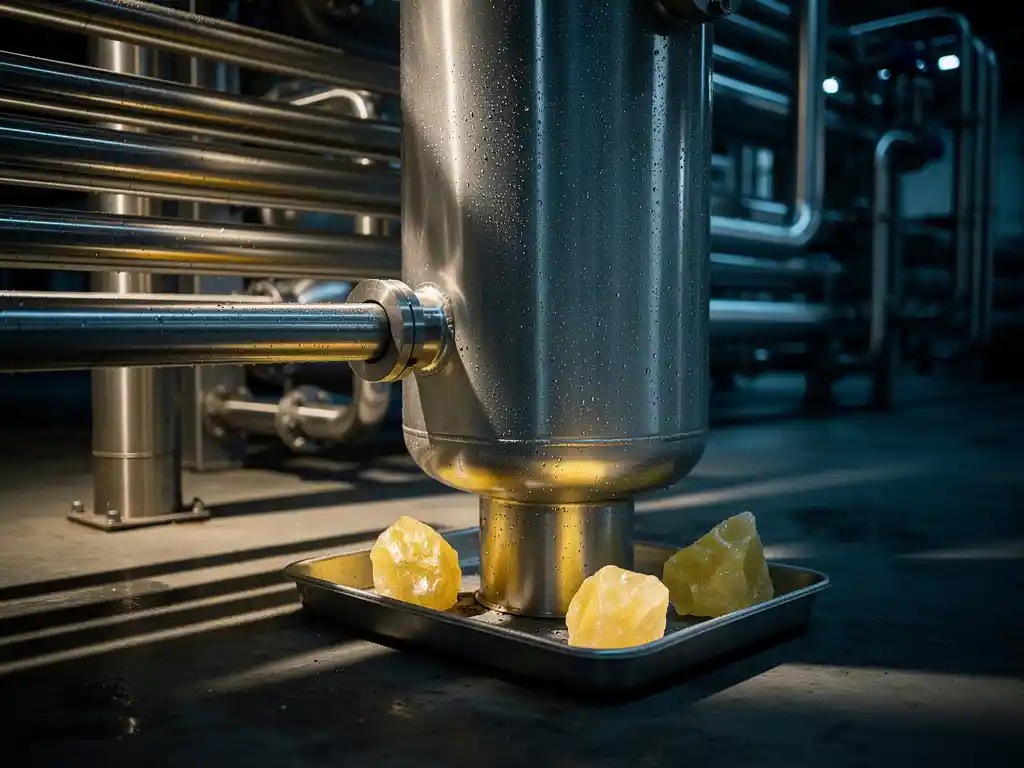
Yes, you can remove H2S, siloxanes, and moisture from biogas simultaneously, and in most modern biogas treatment setups, doing so in a single integrated process is both technically feasible and operationally efficient. Combining these treatment steps reduces equipment footprint, lowers capital costs, and simplifies day-to-day operation compared to running separate standalone units. The sections below break down how each contaminant behaves, which removal methods work best, and what happens when treatment falls short. If you have questions specific to your application, feel free to get in touch and we are happy to help.
Can biogas treatment really target H2S, siloxanes, and moisture at the same time?
Biogas treatment can simultaneously address hydrogen sulfide, siloxanes, and moisture when the right combination of unit operations is applied in sequence or within an integrated system. Biological desulfurization handles H2S, activated carbon or chilled water scrubbing removes siloxanes, and condensation or desiccant drying eliminates moisture. The key is designing the treatment train so that each step reinforces the next without creating interference between processes.
In practice, the order of treatment stages matters. Moisture removal is often placed early in the process because free water can interfere with downstream equipment and reduce the effectiveness of siloxane adsorption media. Biological desulfurization for H2S removal typically runs well under wet conditions, which means it can be positioned before the drying stage without conflict. Siloxane removal is most effective after moisture has been reduced, since dry gas allows adsorption media to work at full capacity. When these stages are sequenced correctly, a single treatment train can bring biogas to pipeline or engine-grade quality in one continuous flow.
What makes H2S, siloxanes, and moisture each uniquely damaging to biogas systems?
Each of these three contaminants causes a distinct type of damage. Hydrogen sulfide is corrosive and toxic, attacking metal components and posing serious hydrogen sulfide hazards to personnel. Siloxanes combust into hard silicon dioxide deposits that erode engine parts and heat exchangers. Moisture promotes condensation, accelerates corrosion, and creates liquid slugs that disrupt gas flow and damage compressors.
Hydrogen sulfide: corrosion and toxicity
H2S in biogas is problematic on two fronts. Even at low concentrations, hydrogen sulfide corrodes steel pipework, valves, and engine components through the formation of iron sulfide. At higher concentrations, hydrogen sulfide poisoning is a serious occupational risk, with hydrogen sulfide symptoms ranging from eye irritation and respiratory distress at moderate exposure levels to rapid incapacitation at high concentrations. This is why H2S detection and continuous H2S measurement are standard practice on biogas sites. Accurate H2S measurement using a reliable hydrogen sulfide detector or H2S meter ensures that the H2S threshold value is never exceeded in working areas.
Siloxanes: abrasive combustion residues
Siloxanes enter biogas from personal care products, detergents, and industrial chemicals that break down in anaerobic digesters. When siloxane-laden biogas combusts in an engine or turbine, the silicon compounds oxidize into microcrystalline silicon dioxide. These particles are extremely abrasive and deposit on pistons, cylinder heads, and spark plugs, leading to accelerated wear and costly maintenance intervals. Unlike H2S, siloxanes are not acutely toxic, but their mechanical damage potential makes them one of the most economically damaging contaminants in biogas upgrading.
Moisture: corrosion and flow disruption
Biogas leaving a digester is typically saturated with water vapor. As the gas cools in pipework, this vapor condenses into liquid water that pools in low points, causes corrosion, and can carry dissolved hydrogen sulfide deeper into the system. Moisture also reduces the calorific value of the gas and shortens the service life of compressors and blowers. Effective biogas cleaning must therefore address water content before the gas reaches sensitive downstream equipment.
How does biological desulfurization remove H2S from biogas?
Biological desulfurization removes H2S from biogas by using naturally occurring sulfur-oxidizing bacteria to convert hydrogen sulfide into solid elemental sulfur. The bacteria are introduced to the biogas stream in a bioreactor, where they oxidize H2S using a small, controlled dose of air or oxygen. The result is a non-hazardous, manageable solid sulfur product and a gas stream with dramatically reduced H2S content.
This approach to biogas desulfurization is highly effective for small to medium-sized sour gas streams. The bacteria are self-regulating, meaning they adjust their activity in response to changes in H2S load without requiring chemical additives or complex operator intervention. The process integrates gas sweetening with sulfur recovery in a single unit, which reduces both capital expenditure and ongoing operating costs compared to chemical scrubbing alternatives. The elemental sulfur produced is non-toxic and can be used as a soil amendment in agriculture, giving the process a circular economy dimension that purely chemical methods lack.
Paqell’s THIOPAQ O&G technology is built on this biological principle, applying it specifically to oilfield and refinery gas streams as well as biogas applications. The process handles variable H2S concentrations reliably, making it well suited to the fluctuating compositions typical of biogas from municipal, agricultural, and industrial digesters. You can explore the range of supported applications to see where biological desulfurization fits your specific gas stream.
What are the most effective methods for removing siloxanes from biogas?
The most effective methods for removing siloxanes from biogas are activated carbon adsorption, chilled water or glycol cooling, and synthetic zeolite or silica gel adsorption. Activated carbon is the most widely deployed option because it offers high adsorption capacity, is commercially available in bulk, and can be regenerated or replaced at manageable cost. Cooling-based methods condense siloxanes out of the gas stream alongside moisture and are effective when the gas is already being cooled for other reasons.
The choice of siloxane removal method depends on the inlet concentration, the required outlet specification, and whether the media needs to be regenerated on-site or replaced. For high-siloxane feedstocks, a two-stage approach combining cooling with activated carbon polishing delivers the most consistent results. Regenerable media systems reduce long-term consumable costs but require more complex engineering and heat supply. For smaller biogas plants, single-use activated carbon vessels offer simplicity and predictable performance without the capital cost of a regeneration system.
It is worth noting that siloxane removal efficiency is strongly influenced by moisture content. Wet gas competes with siloxane molecules for adsorption sites on activated carbon, reducing capacity significantly. This is why pre-drying the biogas before the siloxane removal stage is considered best practice in biogas upgrading design.
Which biogas purification technology handles all three contaminants most efficiently?
An integrated biogas treatment train combining biological desulfurization, chilled condensation or refrigeration drying, and activated carbon adsorption handles all three contaminants most efficiently. This combination sequences each removal mechanism to maximize its effectiveness: biological H2S removal first, followed by moisture reduction, then siloxane polishing. No single technology removes all three simultaneously, but a well-designed sequential system achieves this in a compact, cost-effective configuration.
The efficiency advantage of an integrated approach comes from minimizing process interference. Biological desulfurization operates best in a humid environment, so placing it upstream of the drying stage keeps bacteria in their optimal conditions while protecting the drying and adsorption equipment downstream. The dried, desulfurized gas then enters the siloxane removal stage at conditions that maximize adsorption media performance. The result is a gas stream that meets the quality specifications for combined heat and power engines, biomethane injection, or other demanding end uses.
For operators evaluating their options, using a structured assessment tool can help identify the right technology combination for a specific gas composition and flow rate. Paqell offers a technology scan that maps gas treatment requirements to the most suitable process configuration.
What happens if biogas contaminants are not fully removed before use?
If H2S, siloxanes, or moisture are not fully removed from biogas before use, the consequences range from accelerated equipment wear and unplanned maintenance to complete system failure. Hydrogen sulfide corrosion degrades metal components over time, while siloxane deposits cause abrasive damage to engine internals. Moisture promotes both corrosion and mechanical disruption. Together, these contaminants significantly shorten the operational lifespan of any equipment that uses the gas.
From a safety perspective, incomplete H2S removal is the most immediately serious concern. Hydrogen sulfide inhalation at concentrations above the H2S threshold value can cause rapid hydrogen sulfide symptoms, including headache, nausea, and, at high concentrations, loss of consciousness. Sites relying on inadequately treated biogas must invest heavily in continuous H2S detection infrastructure, including fixed hydrogen sulfide detectors and portable H2S meters, to protect workers. This adds cost and complexity that proper upstream gas treatment would eliminate.
From an economic standpoint, the cost of treating contaminated biogas after the fact is almost always higher than investing in effective upfront biogas cleaning. Engine overhauls caused by siloxane damage, pipeline replacements driven by H2S corrosion, and compressor failures from moisture ingress all represent avoidable expenditure. Effective sour gas treatment and biogas upgrading are not optional add-ons; they are the foundation of a reliable, long-lived biogas utilization system. To discuss the right treatment approach for your installation, get in touch with our team.
Frequently Asked Questions
How do I know if my biogas has high enough siloxane levels to warrant a dedicated removal system?
The best starting point is gas sampling and laboratory analysis, which will give you measured siloxane concentrations in mg/m³. As a general rule, siloxane levels above 5–10 mg/m³ Si typically justify a dedicated removal stage, especially if the gas is destined for a CHP engine or turbine. Feedstock type is also a useful indicator: biogas from municipal wastewater digesters and landfills tends to carry significantly higher siloxane loads than agricultural or food-waste digesters, so source composition should inform your sampling priority.
What is the best way to get started with upgrading an existing biogas system that currently has no contaminant treatment?
Start with a full gas characterization — measure H2S concentration, moisture content, and siloxane levels at representative operating conditions before specifying any equipment. This data defines the treatment duty and prevents both under-sizing and over-engineering. From there, a structured technology assessment (such as Paqell’s technology scan) can map your specific gas composition and flow rate to the most suitable treatment configuration, giving you a clear, evidence-based path to upgrade rather than a generic off-the-shelf solution.
Can biological desulfurization handle large swings in H2S concentration, or does it need a stable inlet?
Biological desulfurization is well suited to variable H2S loads because the sulfur-oxidizing bacteria are self-regulating — they naturally increase or decrease their metabolic activity in response to changes in H2S availability. That said, very sudden or extreme concentration spikes can temporarily exceed the system’s biological capacity, so it is good practice to characterize the expected H2S range during design rather than sizing only for average conditions. For biogas streams with highly unpredictable compositions, a modest buffer volume upstream of the bioreactor can smooth out peak loads and protect treatment performance.
What are the most common mistakes operators make when designing a biogas treatment train?
The most frequent mistake is sequencing the treatment stages incorrectly — for example, placing siloxane adsorption before moisture removal, which dramatically reduces the capacity and service life of the activated carbon media. Another common error is sizing the treatment system only for current gas flow rates without accounting for future production increases, leading to early bottlenecks. Finally, operators sometimes underestimate the importance of continuous H2S monitoring both upstream and downstream of the treatment system, which is essential for verifying performance and protecting personnel.
Is the elemental sulfur produced by biological desulfurization safe to handle and dispose of?
Yes — elemental sulfur produced by biological desulfurization is non-toxic, chemically stable, and classified as a non-hazardous material under standard waste regulations. Unlike the spent caustic or iron sponge waste generated by chemical H2S removal methods, it requires no special disposal infrastructure. In many cases it can be directly repurposed as a sulfur-based soil amendment in agriculture, which both eliminates a disposal cost and adds a circular economy benefit to the overall biogas operation.
How often does activated carbon for siloxane removal need to be replaced or regenerated, and what drives that frequency?
Replacement or regeneration frequency depends primarily on three factors: the inlet siloxane concentration, the gas flow rate, and the moisture content of the gas entering the adsorption vessel. In well-designed systems where biogas is pre-dried before the activated carbon stage, a single carbon bed can remain effective for several months to over a year before reaching saturation. Operators should monitor outlet siloxane concentrations regularly — or track cumulative gas throughput against a validated breakthrough curve — rather than relying on fixed time intervals, since actual service life varies considerably between installations.
Are there any safety considerations specific to working around biological desulfurization units on a biogas site?
The primary safety consideration is that biological desulfurization units handle live biogas containing H2S, so standard confined space and gas detection protocols apply during any inspection or maintenance work. Because the process introduces a controlled air or oxygen dose into the gas stream, it is critical that the air injection rate is carefully managed to stay well below the lower explosive limit of the biogas mixture. Fixed hydrogen sulfide detectors and portable H2S meters should be deployed around the unit, and all personnel working in proximity should be trained on H2S hazard recognition and emergency response procedures.
Related Articles
- What is a hydrogen sulfide meter and when do you need one on site?
- What industries are most at risk for H2S exposure?
- What are the operating costs of H2S removal compared to chemical treatment?
- How is hydrogen sulfide poisoning treated in a hospital setting?
- What is the difference between fixed and portable H2S detectors?
This content was generated with the help of AI and it may contain mistakes
